
Human and workers’ rights
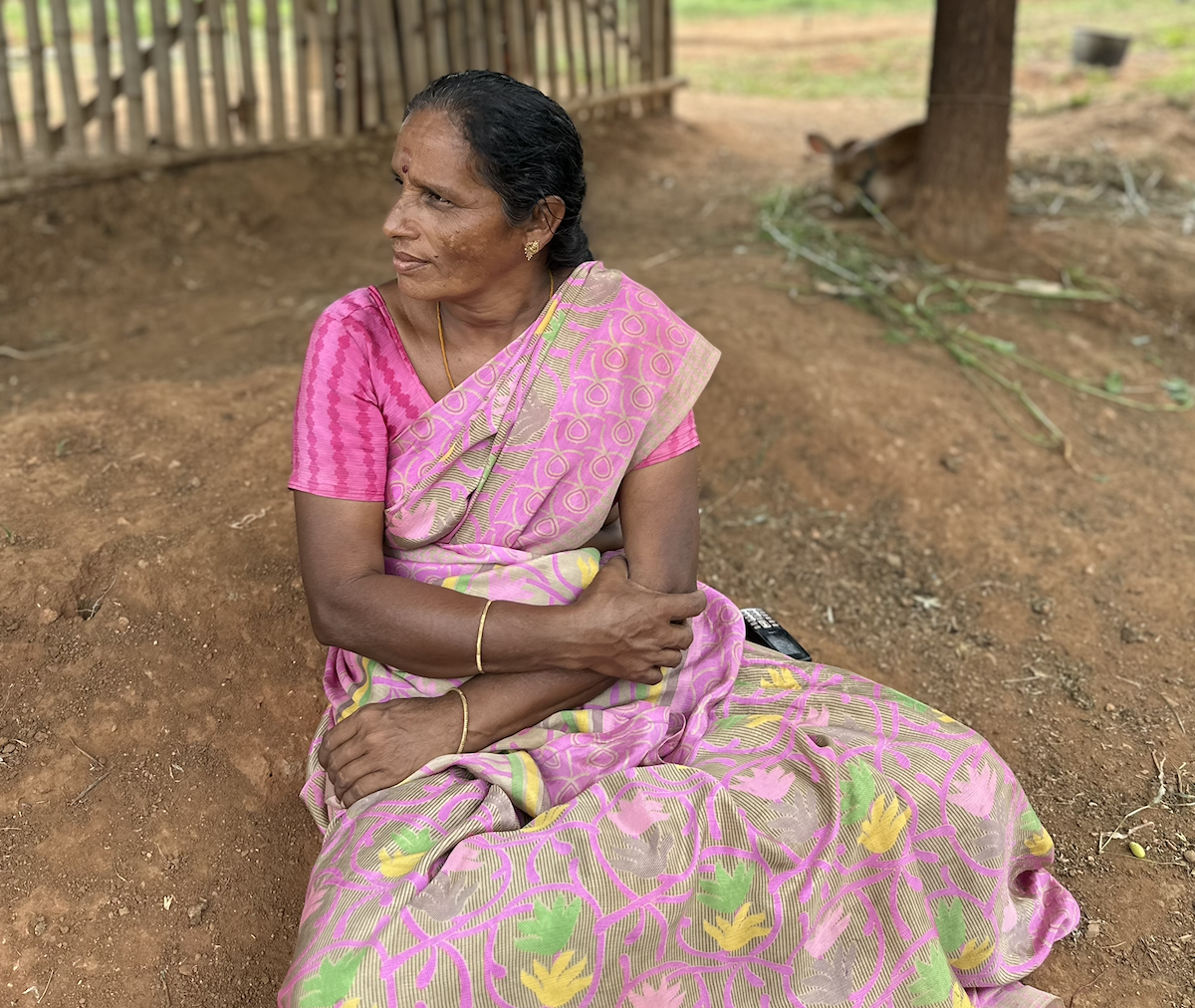
Various sectors such as beauty and personal care, botanical beverages, natural flavours and pharma increasingly rely on natural raw materials. Many of these sectors’ distinctive ingredients are botanicals such as citrus, flowers, herbs, spices. A study by UEBT called Sourcing botanicals with respect for people and biodiversity, shows that such botanicals are important for local livelihoods of tens of thousands of small holders.
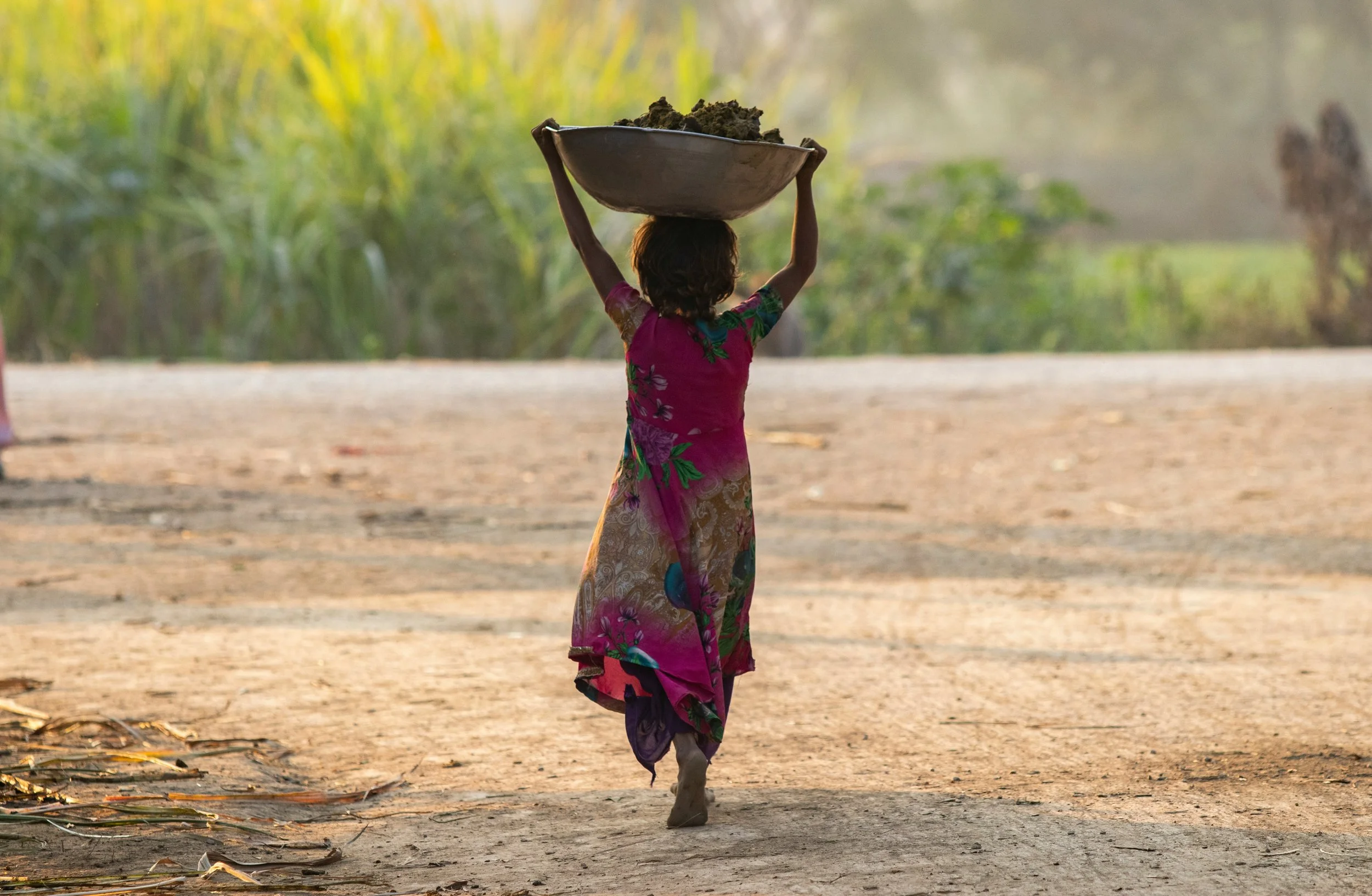
However, the study also shows that revenues do not offer people decent living conditions. Some supply chains even face challenges for businesses to respect human rights, with some reported cases of child work. Based on more than 100 field assessments of botanicals (that include confidential interviews with rights holders – workers, pickers, community members - as part of each assessment), the report found challenges to achieving just remuneration to be one of the top three potential risks. Specifically, minimum wage equivalents are often not met when prices are paid to pickers or farmers, and few actions are seen to move towards living wages.
The cultivation of botanicals is often carried out by small holders who lack the political or economic power to influence supply chains in such a way as to secure fair sourcing arrangements. In addition, benefits have often been for large scale operations downstream in the supply chain and not for small producers and workers, including the tens of thousands of women who often pick or collect these raw materials.
Human and workers’ rights in the UEBT standard
The UEBT standard includes requirements on human rights, including child rights in alignment with the United Nations Convention on the Rights of the Child. It includes requirements aligned with core International Labour Organisation (ILO) Conventions such as:
Freedom of Association
Right to Organise and Collective Bargaining
Child Labour, Forced Labour; and Minimum Age of Work
Equal Remuneration
Anti-Discrimination
Occupational Safety and Health
When companies join the UEBT platform
When companies seek to join the UEBT membership platform, they make five commitments related to sourcing. One of these is monitoring and managing risks for people and biodiversity along supply chains, including through due diligence on cultivation and wild collection practices for botanicals. Companies also need to respond to growing due diligence policies around the world and UEBT supports companies with practical tools to identify and manage natural raw material supply chain risks.
UEBT responsible sourcing risk database
One of UEBT’s due diligence tools is the responsible sourcing risk database, an online resource tailored to the particular social, environmental and economic risks related to botanicals. It provides specific risk scores on a set of environmental and social issues at the ingredient level and at the country level. The database is regularly updated and allows for combining risk assessments from both the country and ingredient levels. All UEBT due diligence tools are based on the UEBT standard and include human and workers’ rights in risk categories.
Human rights due diligence in sourcing areas
UEBT also emphasises human rights due diligence in sourcing areas and supports member companies on action plans and through guidance, tools and supply chain assessments. UEBT also promotes transformation of practices in key sourcing areas through member projects, sector collaboration initiatives, and local partnerships.
Contact us
For more information write to us at due-diligence@uebt.org
Sector collaboration
UEBT facilitates sector collaboration initiatives that bring together local and international stakeholders to improve sourcing practices. These initiatives operate on a pre-competitive basis that goes beyond any individual supply chain to build on collaboration on systemic or landscape level issues such as local working conditions and or ecosystem degradation. Initiatives usually focus on specific ingredients.
Tackling social challenges in Carnauba in Brazil
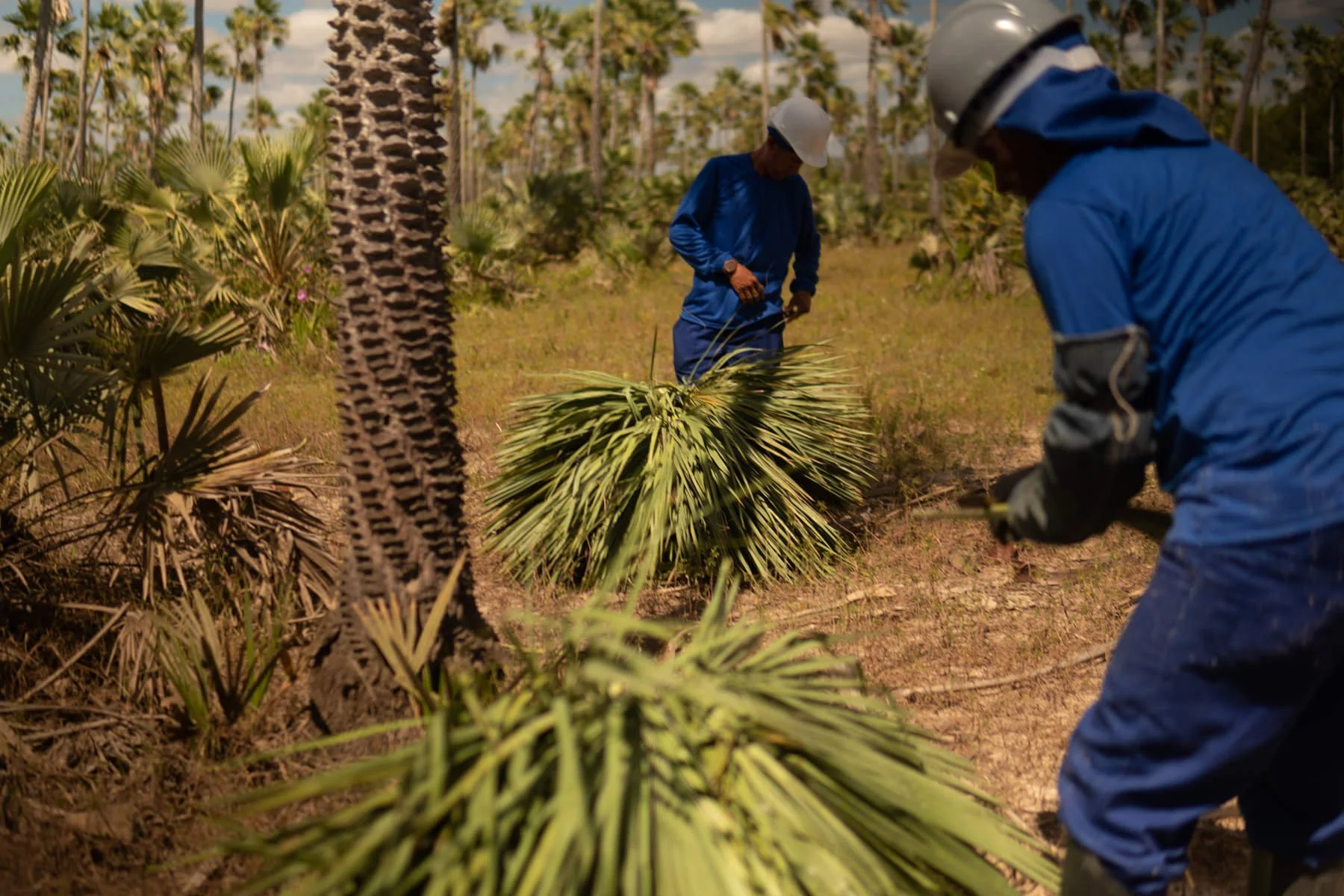
UEBT hosts the Secretariat of the Initiative for Responsible Carnauba (IRC), a sector collaboration initiative focused on tackling challenges prevalent in Carnauba wax extraction areas in northeast Brazil. Challenges include poor working conditions, low pay and some incidences of child labour. The problems are often systemic, with a wide range of factors involved that contribute to the challenges. Local processing companies sign agreements with the Brazilian government and work on improvement plans. Buyers in the IRC commit to responsible sourcing.