
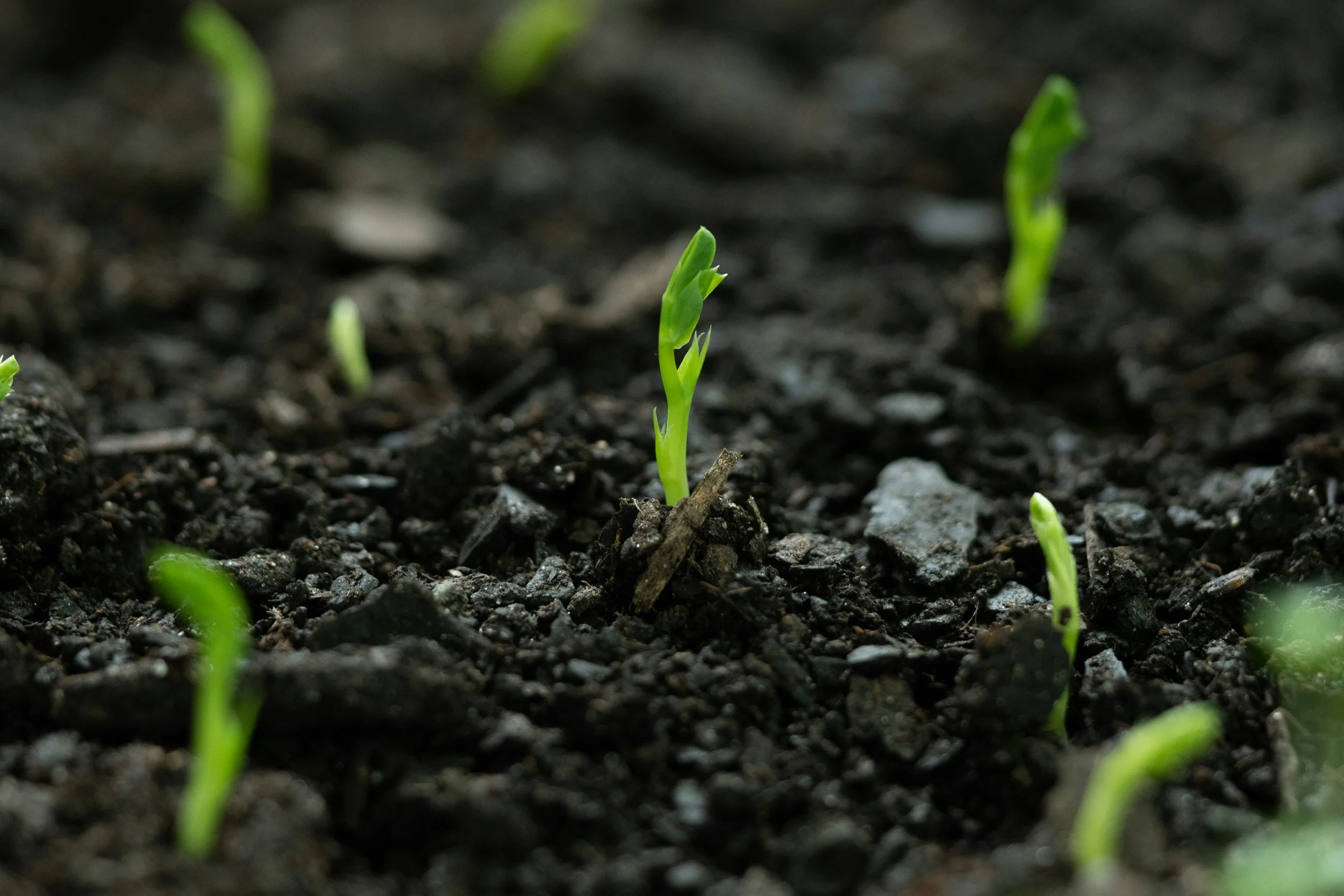
Regenerative is about measuring the impact of practices on regenerating nature, considering this impact in terms of local conditions, and then adjusting practices as needed to achieve regenerative production systems.
How the programme was developed
Since 2019, UEBT has been promoting Biodiversity Action Plans that include regenerative impact indicators to monitor progress toward biodiversity regeneration and restoration. Due to this experience, companies had approached UEBT as a credible partner that could engage with them and co-develop their journey of promoting regenerative practices. UEBT decided to test the feasibility of developing an impact-based regenerative programme.
The UEBT regenerative programme aims to:
drive scientifically-grounded positive impact on people and biodiversity
engage companies to invest in positive actions
contribute to the UEBT vision of a world in which people and biodiversity thrive
Regenerative Programme
UEBT - Sourcing with Respect’s regenerative programme engages companies that wish to promote regenerative practices and contribute to the UEBT vision of a world in which people and biodiversity thrive. Regenerative practices

UEBT defines 'Regenerative practices' as ways in which cultivation and wild collection activities contribute to the natural processes that take place in an ecosystem, such as:
carbon capture
climate regulation
soil restoration
water purification
maintaining biodiversity
providing livelihoods
This definition is based on the Food and Agriculture Organisation of the United Nations (FAO)
UEBT’s standard and the regenerative programme
The UEBT regenerative programme is based on the UEBT standard that has a robust set of biodiversity requirements as well as human rights and social requirements. This is complemented by a regenerative module add-on. This add-on consists of regenerative impact indicators that are set as part of a Biodiversity Action Plan and for which the impact is assessed. The add-on also contains a strengthened requirement for the indicator in the UEBT standard on living income for local producers.
UEBT works with companies to set targets considering the specific local contexts of the surrounding ecosystem and the type of farming or wild collection in place. In farming, this is based on agroecology and promotes a naturally balanced farming system of diverse crops, natural infrastructures, functional biodiversity, restored soil, pure water, and no use of synthetic agrochemicals. In wild collection, this is focused on the regeneration rate of the collected species, species diversity in natural habitats, support for the surrounding ecosystem, and more.
The regenerative programme aligns with a wide variety of frameworks at global or regional levels.
These include the UN Decade on Ecosystem Restoration that aims to prevent, halt and reverse the degradation of ecosystems on every continent and in every ocean. These also include targets in that call for agroecology, biodiversity friendly practices, and climate resilience. Regenerative practices in the UEBT regenerative programme also align with the Kunming-Montreal Global Biodiversity Framework, and with the potential new EU Nature Restoration Law, among other rising regulations or initiatives that focus on aspects of conserving and restoring biodiversity and maintaining nature’s contributions to people.

Get started
Companies can contact UEBT to test the regenerative approach. As regenerative practices are promoted, externally validated claims are possible. A first discussion with UEBT can help you determine whether regenerative practices might be possible for your ingredient being sourced.
Contact us
For more information write to us at impact@uebt.org