

Biodiversity
Biodiversity is the variety of plants, animals and other living creatures on Earth. Biodiversity is being lost at alarming rates - between 1,000 and 10,000 times faster than the natural extinction rate, owing to problems such as habitat destruction and climate change. A broad range of ecosystem services are degraded as a result. The loss of biodiversity has devastating effects on local and indigenous communities around the world who depend on it for their livelihoods. We have reached a level of habitat loss and species in danger of extinction where merely conserving biodiversity is not sufficient.
We must respect and regenerate biodiversity by supporting actions and practices that seek to replenish natural systems, such as promoting beneficial insects, birds, animals and plants and improving soil conditions.
Regenerative practices
Regeneration shifts the focus from mitigating negative impacts to adapting to local conditions so as to regenerate nature. UEBT’s definition of regenerative practices is adapted from the UN FAO definition and is based on agroecology. Specifically, regenerative practices are ways in which cultivation and wild collection activities contribute to the natural processes that take place in an ecosystem, such as carbon capture, climate regulation, water purification, and food provision.
The UEBT standard has principles that describe practices that contribute to regeneration. These two principles are:
Conservation and restoration of biodiversity
Sustainable use of biodiversity and climate resilience
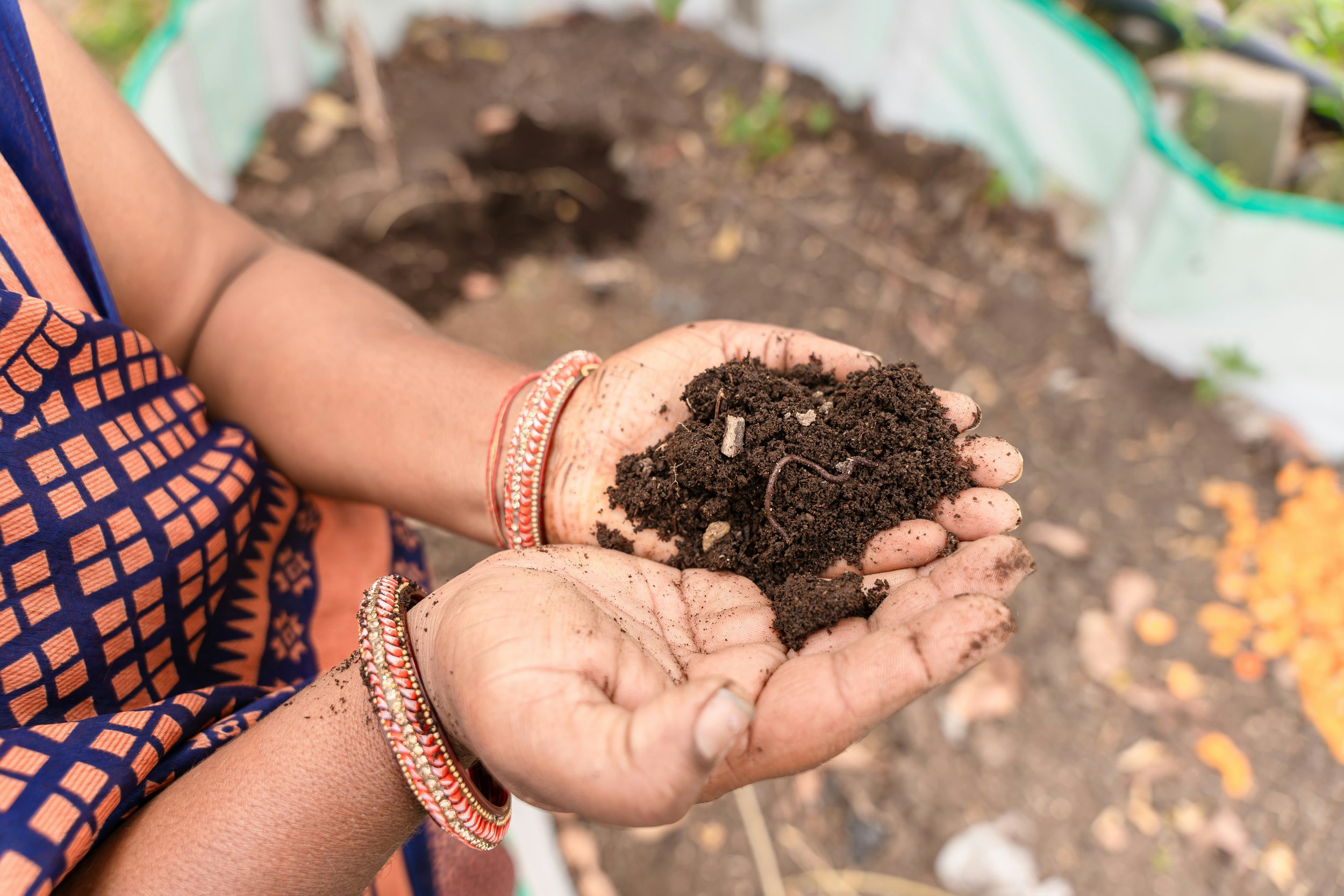
Regenerative programme
UEBT has a dedicated regenerative programme. It is based on the UEBT standard with an add-on module. This add-on consists of regenerative impact indicators that are set as part of an action plan and then assessed for impact. The add-on also contains requirements on living income for local producers.
Biodiversity Action Plans
UEBT works with companies on Biodiversity Action Plans in its regenerative programme, or as stand-alone approaches to conserving and regenerating biodiversity in a specific ingredient supply chain.
Biodiversity Barometer - consumer research
From 2009 to 2024 UEBT commissioned independent research on the rising consumer awareness of biodiversity and published these findings in our well-known Biodiversity Barometer. Learn more about this research here.
The UEBT standard contributes to regenerative practices such as:
Biodiversity in cultivation areas
Crop genetic diversity
Soil health
Water conditions
Minimisation of synthetic agrochemicals
Waste and contamination reduction
Emission reduction
Contact us
For more information write to us at biodiversity@uebt.org